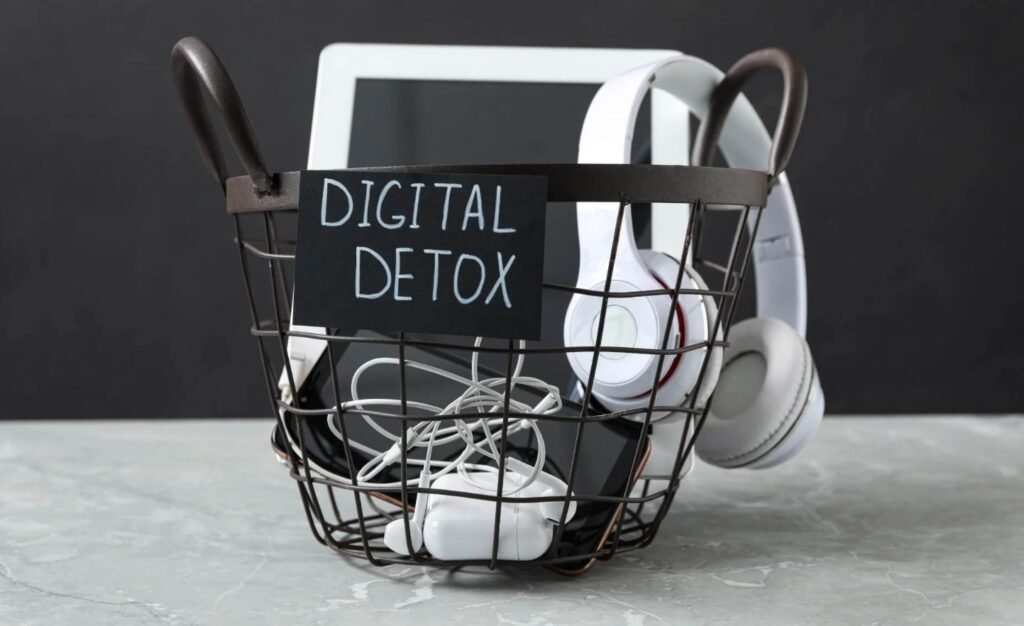
It’s hard to deny how much our phones, tablets, and computers have become a part of daily life. We’re constantly getting notifications, checking emails, and scrolling through social media. This constant connection can leave us feeling drained and unfocused. That’s where a digital detox comes in.
A digital detox means taking a deliberate break from screens and the online world. It’s becoming a popular way to reduce stress, improve sleep, and boost overall well-being. This guide offers practical tips to help you successfully disconnect and reclaim your peace of mind.
Why a Digital Detox is More Important Than Ever in 2025
In a world filled with constant pings, updates, and an “always-on” expectation, disconnecting isn’t just a nice idea; it’s a necessity. Information overload from social media, news feeds, and AI-driven content keeps our brains in overdrive. The line between work and personal life has blurred, pushing many into an ongoing state of readiness. Taking a deliberate break from our devices allows us to reset our minds and bodies. It gives us a chance to breathe, reflect, and engage with the world in a more meaningful way.
The Impact on Mental Health and Well-being
Our digital lives often carry a heavy toll on our mental state. Constant scrolling and comparisons can fuel feelings of anxiety, stress, and even depression. We often find ourselves caught in a cycle of FOMO, the Fear Of Missing Out. This leads us to constantly check our phones, making us feel inadequate next to the curated lives presented online. This relentless pursuit of digital validation impacts our self-esteem. A digital detox offers a powerful antidote, helping us break these cycles and find peace of mind.
- Reduced Anxiety and Stress: Stepping away from the endless news cycle and social media pressures can significantly lower stress levels.
- Improved Self-Esteem: Less exposure to comparison culture means we can focus on our own lives and achievements.
- Greater Mindfulness: Disconnecting helps us live in the present moment, appreciating what is around us.
Physical Health Consequences of Constant Connectivity
Beyond our mental state, our bodies also bear the brunt of too much screen time. Hours spent hunched over devices contribute to a range of physical problems. Eye strain, often called digital eye strain, is common, causing discomfort and blurred vision. The blue light emitted from screens disrupts our natural sleep patterns, leading to poor sleep quality. This lack of quality sleep affects our energy levels and overall health. Moreover, our sedentary digital habits often mean less physical activity, increasing risks for conditions like “tech neck” and other posture issues.
- Better Sleep: Reducing blue light exposure before bed can improve your sleep cycle.
- Less Eye Strain: Giving your eyes a break from screens can relieve discomfort and fatigue.
- Increased Physical Activity: Disconnecting naturally encourages us to move more and engage in active pursuits.
Reclaiming Your Time and Focus
Digital distractions constantly pull our attention in multiple directions. A notification here, a quick scroll there, and suddenly, hours have passed without much to show for it. This fragmented attention reduces productivity, making it harder to concentrate on important tasks. We often feel overwhelmed by the sheer volume of digital inputs. A digital detox helps us reclaim these lost hours. It sharpens our focus, allowing for deeper engagement with both our personal goals and the people around us.
Taking a break from devices means you can:
- Improve Concentration: With fewer distractions, your ability to focus on one task grows stronger.
- Increase Productivity: You can achieve more when your attention isn’t constantly divided.
- Strengthen Relationships: More quality time spent with loved ones, free from screen interruptions, deepens bonds.
- Pursue Hobbies: You will find more time for activities you love but often put off.
Preparing for Your Digital Detox: Setting Yourself Up for Success
A successful digital detox doesn’t just happen; it requires some preparation. Think of it like packing for a trip. You wouldn’t leave without a plan, right? By taking a few practical steps beforehand, you can make your detox much smoother and more effective, ensuring you actually enjoy the break instead of feeling restless.
Define Your Goals and Boundaries
Before you unplug, consider why you are doing this. What do you hope to gain from taking a break? Clearly defining your goals helps you stay on track and measure your success. Perhaps you want to sleep better, reduce anxiety, or simply read more books.
You should also set clear rules for your device usage during the detox. This might mean no social media, limited email checks at specific times, or only using your phone for emergencies. Think about how long you want your detox to last, whether it’s:
- A few hours on a Sunday afternoon.
- An entire weekend.
- A full week or even longer.
Knowing your duration and rules helps prevent accidental slips and keeps your intentions firm.
Communicate Your Intentions to Others
One of the biggest hurdles can be managing other people’s expectations. Let your family, friends, and colleagues know you are taking a digital break. This simple step can prevent frantic calls about non-urgent matters. It also helps those around you understand why you might be less reachable.
If your detox includes work time, consider setting an ‘out of office’ reply for your emails. This way, essential contacts understand there might be a delay in your response. Briefly explain that you are taking time away from screens and will respond upon your return.
Find Analog Alternatives and Hobbies
The fear of boredom often derails a digital detox. Our devices fill many small gaps in our day, so when they are gone, you might feel a void. This is where exciting analog alternatives come in. Think about activities that engage your mind and body without a screen.
Consider bringing back classic hobbies or trying something new:
- Reading physical books or magazines.
- Exercising outdoors, like hiking or cycling.
- Spending time in nature, enjoying a park or garden.
- Cooking new recipes or baking.
- Engaging in creative hobbies such as painting, drawing, or playing a musical instrument.
- Connecting with people face-to-face for coffee or a meal.
Having a list of these activities ready will make your detox more enjoyable and less about resisting temptation.
Delete or Hide Distracting Apps
Our phones are full of apps designed to capture our attention. To make your detox easier, take a moment to address these digital temptations before you start. Consider temporarily deleting social media apps, news apps, or games that are major time sinks for you. You can always reinstall them later.
If deleting feels too drastic, simply move these apps to a less accessible folder on your phone. Out of sight often means out of mind. More importantly, turn off all non-essential notifications. Those constant pings are designed to pull you back in, so silencing them creates a much calmer environment for your detox.
Practical Digital Detox Tips for During the Detox Period
Now that you have prepared for your digital detox, it is time to put those plans into action. The detox period itself requires active management and a shift in daily habits. This is where you truly begin to experience the benefits of unplugging. It might feel a bit strange at first, but stick with it. You will find that these simple adjustments make a big difference in how you feel.
Create Tech-Free Zones and Times
Designating specific areas or periods as device-free can significantly help. Think about setting up a “no phones at the dinner table” rule. Your bedroom can become a sanctuary free from screens, too. This means no scrolling right before bed or immediately upon waking up.
These boundaries help you be more present in your daily life. When your phone is not buzzing beside you, you can focus better on conversations. You can truly relax when your bedroom is a calm, screen-free space. These small changes promote genuine connection and restful sleep.
Embrace the ‘Why’: Reconnect with Your Inner Self
During your detox, you will likely find yourself with more quiet moments. Use this time to reflect on why you started this journey. What thoughts or feelings come up when you are not constantly stimulated by your devices?
This is a great chance to journal your thoughts, practice meditation, or simply observe the world around you. Pay attention to your feelings without the instant distraction of your phone. This can lead to a deeper understanding of yourself. You might discover new insights or rediscover old passions. Self-awareness often grows in these moments of stillness.
Utilize Tools and Features for Support
You do not have to rely solely on willpower. Many phones come with helpful built-in features. Explore options like ‘Do Not Disturb’ mode to silence notifications. ‘Focus Modes’ can help you block certain apps during specific hours. Review ‘Screen Time’ reports to see where you are spending your digital energy.
If you struggle with specific apps or websites, consider using app blockers. These tools can temporarily restrict access to your biggest digital temptations. Remember, these are aids to help you succeed. They support your efforts; they do not replace your commitment to the detox.
Be Patient and Forgive Slip-Ups
Breaking old habits is challenging. It is okay if you accidentally pick up your phone or check social media during your detox. Do not let a small slip-up derail your entire effort. We are all human, and perfection is not the goal.
If you waver, simply acknowledge it without judgment. Take a breath, and then get right back on track. View this detox as a learning experience, not a pass/fail test. Each moment you choose to disconnect is a step forward, building healthier habits for your future.
Maintaining a Healthy Digital Balance Post-Detox
Successfully completing a digital detox is a big step, but the real challenge is keeping that healthy balance alive long term. This isn’t about giving up technology forever. It’s about smart choices and making sure your digital life supports your actual life, not the other way around. Let’s explore how to weave the good habits you’ve learned into your daily routine.
Mindful Device Usage Going Forward
After your detox, you’ll likely feel more aware of how you use your devices. This heightened awareness is a powerful tool. Before you open an app or browse online, pause for a moment. Ask yourself, “Why am I doing this right now?” or “Does this action genuinely help achieve my goals?” This simple check can stop mindless scrolling before it even starts.
You might also find it helpful to group your digital tasks. Instead of checking emails every five minutes, set aside specific times twice a day. This reduces context switching, which drains your mental energy. Imagine you are doing laundry. You wouldn’t throw in one sock at a time, would you? Batching your digital activities works similarly, making your online time more efficient and less intrusive.
Schedule Regular Mini-Detoxes
Think of your full digital detox as a deep clean for your mind. To keep things tidy, you need regular maintenance. Integrate short, consistent breaks from technology into your weekly or even daily life. This could be an hour every evening where phones are put away. Maybe you designate every Saturday afternoon as completely screen-free.
These mini-detoxes do not need to be as strict as your initial break. The goal is to prevent that overwhelming feeling before it builds up again. These small, consistent efforts act like a pressure release valve. They keep you from sliding back into constant digital overload. What small breaks can you commit to this week?
Curate Your Digital Environment
Just as you might tidy your home, think about decluttering your digital spaces. Go through your social media feeds. Unfollow accounts that make you feel negative or stressed. You get to decide what content enters your mind. Stop those annoying newsletter subscriptions that just pile up in your inbox.
Focus on quality over quantity in all your digital interactions. Engage only with content that truly adds value or brings you joy. Your digital environment should feel like a supportive space, not a noisy, demanding one. You are the architect of your online experience, so build one that serves you well.
Conclusion
A digital detox helps us regain control in a noisy world. It brings mental clarity, better sleep, and stronger connections with others. The goal isn’t to get rid of technology, but to use it wisely and with a purpose. Choosing to unplug helps you engage more fully with your life and the people around you. Start small, set boundaries, and rediscover what truly matters beyond the screen.